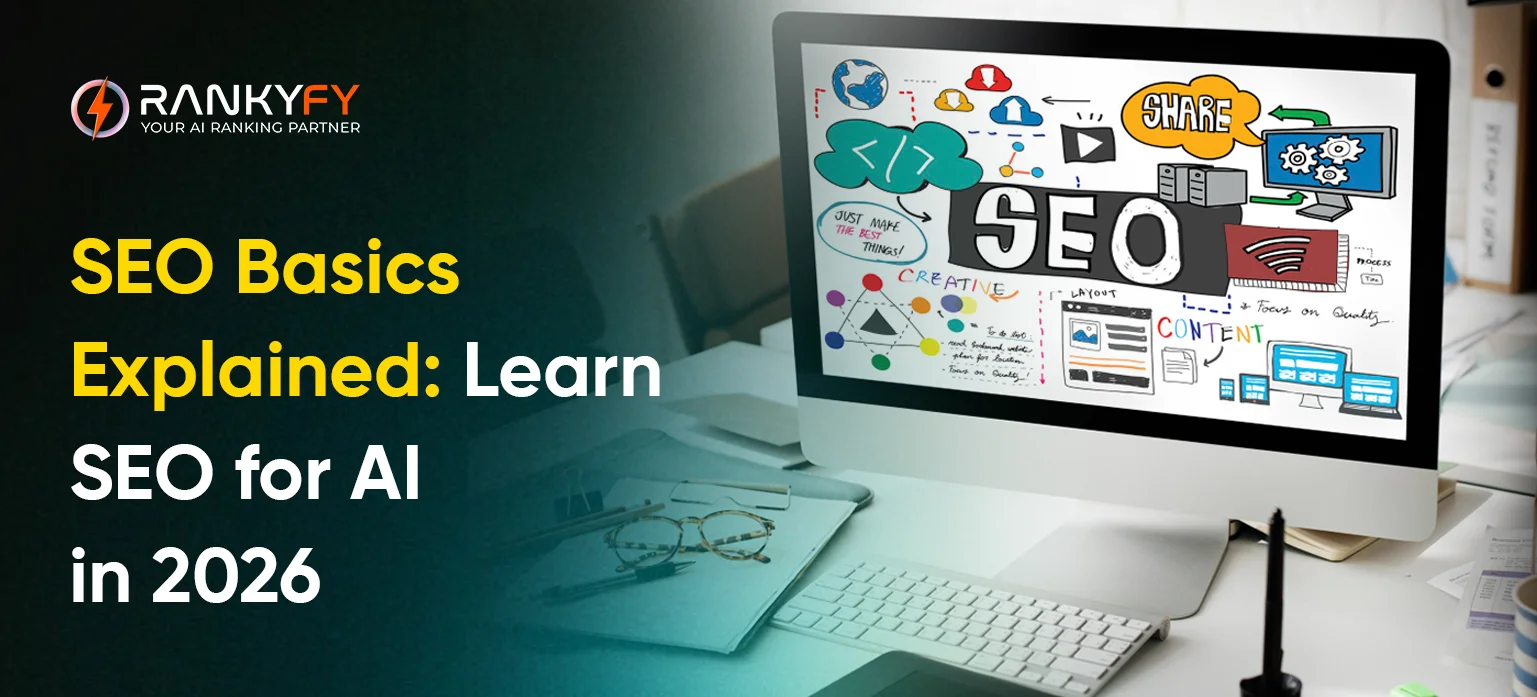
In 2026, SEO has moved ahead from targeting mainstream keywords. Using the right content and adding additional value has reshaped the SEO basics we all know. In 2026, optimization is focused on users and their search intent. With the development of AI, companies began to realize the need to include AI-SEO for effective optimization. The purpose of the process is to get a higher ranking on the AI-based search engines.
If you are a business owner in 2026, you must be well aware of advanced SEO to rank your brand in 2026. This blog will help you build SEO strategies that work today and stay useful tomorrow.
What SEO Means in the Age of AI
SEO in the age of AI is all about building credibility and visibility. Search engines now use advanced AI models to ensure your content ranks online. It not only focuses on content quality but also on its value and intent. They assure to relate the user search query with content for accurate answers. Modern SEO connects users with accurate answers for their queries, without any fluff.
AI looks for content that is helpful and easy to understand. If your page solves a user query well, it will be valued more. AI-SEO analyses such intent for you. Using AI-SEO, brands frame content that matches search intent and ranks better.
How AI-SEO Works
AI-powered search engines use machine learning and natural language processing. Large language models work to analyze high-intent pages and find the best answer.
Here is how AI search works:
-
Understands search intent
-
Studies the user behavior to match the intent
-
Compares content from credible sources
-
Show results that are accurate to your search query
AI search engines also learn your patterns over time. If users' websites succeed in matching search intent, your visibility directly improves.
Core SEO Fundamentals You Must Master in 2026

Even with AI, SEO basics still matter. The difference is how you apply them in your content.
-
Search Intent and User Experience
Search intent is the reason behind a search. AI systems are very good at spotting intent. They know if a user wants information, a product, or a solution. Your content must match this intent clearly. If someone searches for a guide, do not sell too early. If they want a service, show value fast.
-
Content Quality and Topical Authority
Content quality is the heart of AI SEO. Thin pages no longer work. AI prefers content that explains a topic in depth and covers related ideas. Topical authority means being known for a subject. Instead of writing one article, build a group of connected pages. Each page should answer a specific question.
-
Technical SEO Foundations
Technical SEO makes your website understandable to AI. Great content can be wasted without technical efficiency. It helps your site to become faster and more accessible for users.
SEO basics include:
-
Clean site structure and clear URLs
-
Fast loading speed
-
Mobile-friendly design
-
Secure HTTPS connection
-
Proper indexing and crawl settings
Schema markup is also important. It gives AI extra context about your pages to make them credible.
Keyword Optimization in an AI-First SEO World
Keywords still matter, but AI focuses more on meaning and context.
- On-Page SEO
Use: It matches content with the searcher's intent
On-page SEO helps AI to read content easily. Content that is high quality and easy to read automatically ranks higher. Optimized content and images all help pages with easy readability.
- Off-Page SEO for Trust Signals
Use: It helps to keep websites smooth and efficient working
Off-page SEO builds trust. Quality backlinks and consistent web optimizations help AI boost your credibility.
Role of AI Tools Used For AI SEO

AI tools have become everyday helpers for SEO teams. It helps to reduce the guesswork and make actual performing strategies. These tools study large data sets and turn them into clear answers that users are looking for.
Common uses of AI SEO tools include:
-
Finding content gaps
-
Analyzing search intent
-
Improving readability
-
Tracking performance trends
-
Automating technical audits
AI tools should guide decisions, not replace human thinking. The best results come when human creativity meets machine speed.
Conclusion
SEO in 2026 is user-focused. The search engines rate websites after matching intent for an accurate result. With users being inclined towards AI searches, brands also need to accommodate AI-SEO in their operations. AI-SEO tools like RankyFy help businesses to align with user intent and rank higher on search engines. Optimizing content using AI helps you save your time and resources as well. In 2026, smart strategies using AI will unlock more visibility online.

What to read next

Top Link Building Strategies Every SEO Person Should Know
Link building still remains as one of the driving forces of SEO in 2026. They...
Read More
Complete Guide to SEO for E-commerce Websites in 2026
If you operate an e-commerce site, you know just how competitive 2026 is. Without a...
Read More
Best Time to Post on TikTok 2026
In 2026, TikTok still rules the online content market. It is one of the most...
Read More
Moz vs Competitors: Which SEO Tool is Right for You?
Choosing the right SEO tools determines your online performance. It directly impacts your website’s scalability...
Read More