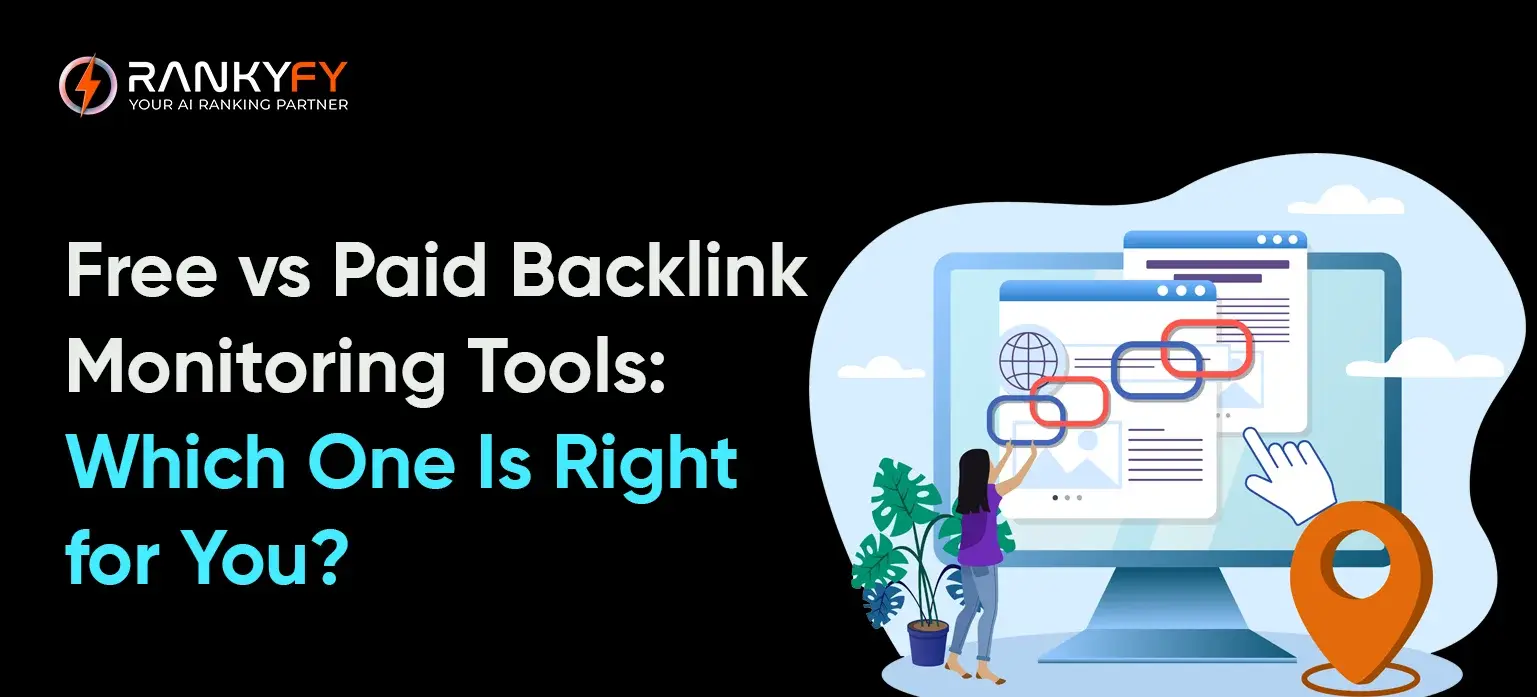
Backlink monitoring sits at the core of every successful SEO strategy, yet most businesses struggle with the same question: which tool delivers real value? Free backlink monitoring tools offer an entry point without financial risk, but they often lack the depth needed for competitive markets. Paid platforms promise comprehensive insights, but justifying the expense to stakeholders requires clear ROI. This decision affects more than just the marketing budget - it shapes how quickly threats get identified, how effectively opportunities get captured, and ultimately, how well a business competes in search rankings. The right choice depends on specific business needs, growth stage, and how heavily organic traffic impacts the bottom line.
What Are Backlink Monitoring Tools?
Definition and Core Purpose
Think of backlink monitoring as a security camera for a website's reputation. These tools watch who's linking to a site, from where, and whether those links help or hurt. Without them, building links is like shooting arrows blindfolded - lots of effort, zero idea what's hitting the target.Key Metrics They Track
Good tools track referring domains (how many different sites link back), total backlinks, and whether links are dofollow or nofollow. They catch when links disappear - happens more often than people think. Anchor text matters too, because saying "click here" versus using a keyword changes everything. Then there's spam score, which separates quality sites from garbage directories that do more harm than good.Overview of Free Backlink Monitoring Tools
Common Features
Free tools give a taste, not the full meal. Check backlinks? Yes. See all of them? Rarely. Most cap how many links show up or how often data refreshes. Great for a quick health check, frustrating when serious decisions need making.Popular Free Tools
Google Search Console wins for reliability - it's straight from Google's own records. Shows what they see, which matters most anyway. Ahrefs gives away the top 100 backlinks for any domain, enough to spot major issues. Ubersuggest throws in backlink basics alongside keyword data. None of these replace paid tools, but they work when budgets are tight.Pros and Cons of Free Tools
- What works: Starting costs nothing. Small blogs or local businesses with 50 backlinks don't need enterprise software. Testing the waters before committing makes sense.
- What doesn't: Data updates lag by weeks sometimes. Seeing 100 links when a site has 10,000 creates blind spots. Competitors could be doing something brilliant, and free tools won't show it. Support? Good luck - most free options mean figuring things out alone.
Overview of Paid Backlink Monitoring Tools
Advanced Features
Paid tools stop playing games. Fresh data comes in daily, sometimes hourly. Historical charts show what happened three months ago or three years ago. Competitor backlinks? All visible. Alerts ping phones when important links appear or vanish. Filters help find link opportunities other people miss.Popular Paid Tools
Ahrefs updates its index constantly and has data on billions of pages. SEMrush bundles backlinks with competitor research and content tools. Moz built its reputation on domain authority scores everyone recognizes. Majestic goes deep on link quality metrics. Each has fans who swear by it.Pros and Cons of Paid Tools
- What works: Real-time data catches problems before they explode. Detailed analytics reveal patterns free tools can't touch. Managing ten client sites becomes possible instead of a nightmare. When something breaks, actual humans answer support tickets.
- What doesn't: Monthly bills add up, especially for small operations. Too many features overwhelm beginners who just want basic answers. Some tools hide the best stuff behind even higher pricing tiers, which feels like a bait-and-switch.
Free vs Paid: Key Comparison Factors
Data Accuracy and Freshness
Free tools work like checking email once a week - fine until something urgent happens. Paid platforms refresh constantly. That gap matters when a competitor launches a campaign or when dealing with negative SEO. Stale data means making decisions based on old news.Feature Depth and Limitations
Free tools answer "what" - what links exist. Paid tools answer "why" and "how" - why those links matter, how to get more like them. Small sites manage fine with basic answers. Growing businesses hit walls fast when trying to scale with free options.Usability and Reporting
Free interfaces stay simple because they target casual users. Paid dashboards organize mountains of data into something understandable. Custom reports save hours every week. For agencies, white-label reports with client branding aren't optional - they're expected.Cost vs ROI (Value for Money)
Free costs nothing upfront but might cost plenty through missed opportunities. One avoidable penalty or one competitor insight can pay for a year of subscriptions. Sites earning $10,000 monthly from organic traffic can't afford to fly blind. Hobby blogs? Different story entirely.FAQ's
Are free backlink monitoring tools accurate enough?
For small sites, yes. For anything serious, not really. Free tools show accurate data - they just don't show enough of it. Like checking the weather by sticking a hand out the window instead of using a forecast.Is it worth investing in paid backlink tools?
Depends on stakes. Making real money from SEO? Absolutely worth it. Just starting out with zero traffic? Probably not yet. The break-even point hits when organic traffic actually drives business results.Can I use both free and paid tools together?
Smart move, actually. Google Search Console stays free forever and shows Google's perspective. Pair it with one paid tool for competitive insights. No reason to choose only one approach.How often should I monitor my backlinks?
Building links actively? Check daily. Maintaining established rankings? Weekly works. Absolute minimum is monthly, because problems spotted late cause expensive headaches.What's the best backlink tool for beginners?
Start with Google Search Console - free, reliable, and shows what matters most. Once comfortable there, try Ahrefs' free checker. Upgrade to paid only after hitting real limitations.Conclusion
Nobody needs the fanciest tool right away. Free options teach the basics and handle simple monitoring. But businesses betting real money on SEO rankings eventually need paid tools. The data gaps and delayed updates in free versions create risks that outweigh savings. Start free, upgrade when it hurts not to. Most successful sites follow that path. Rankyfy built its platform for businesses stuck between basic free tools and overwhelming enterprise software. The monitoring works without requiring an engineering degree to understand. Whether managing one site or twenty, having reliable backlink data beats guessing every single time.What to read next

13 Proven Ways To Use the Meta Ad Library for Research
Meta Ads Library is a free research tool for marketers. The platform is known for...
Read More
Search Terms: Meaning & How to Use Them
Understanding search phrases is important to reach potential customers in a conversational tone. Search terms...
Read More
How to Migrate a Website Without Harming SEO (Complete Checklist)
How to Migrate a Website Without Harming SEO - Migrating a live website is a...
Read More
On-Page SEO Explained: A Complete Guide
What prevents your website from showing up at the top of search engine results? You...
Read More