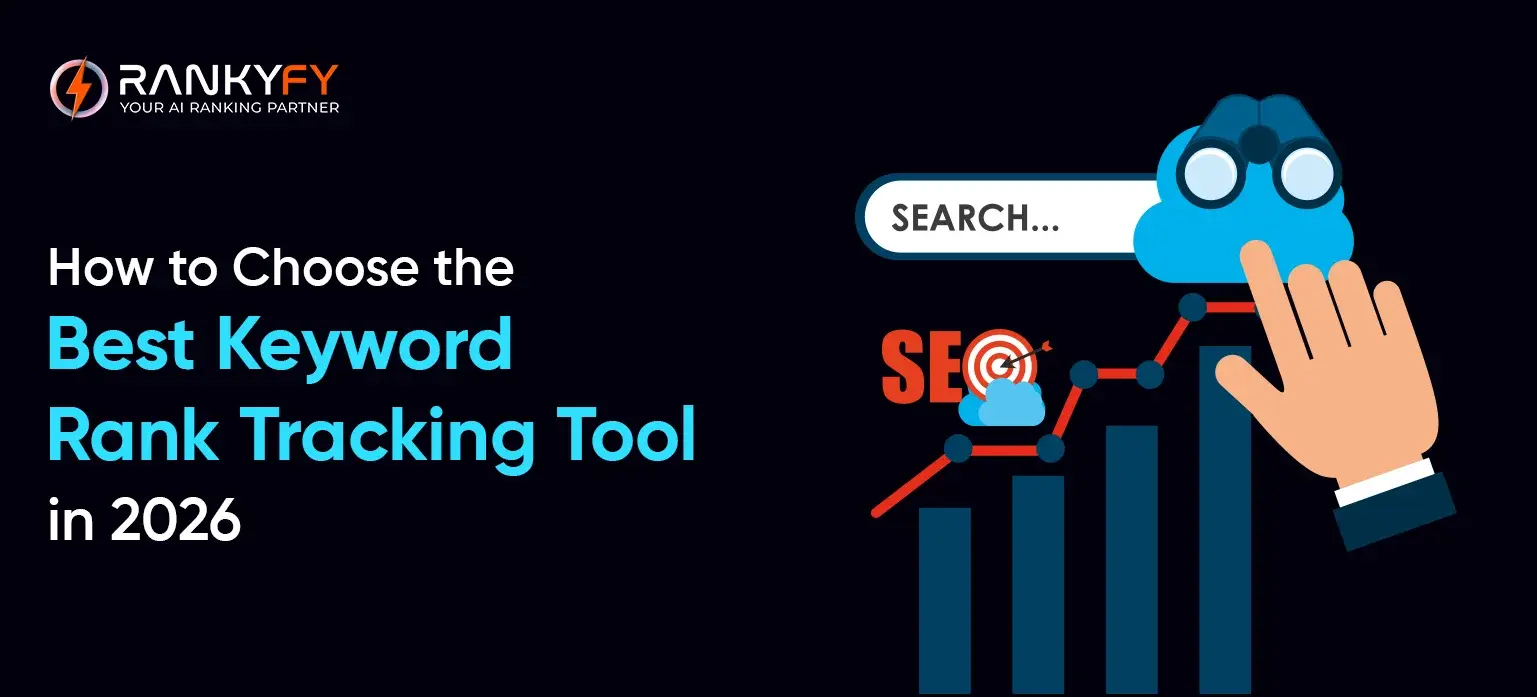
Ever bought a rank tracking tool and never opened it again? Happens all the time. The issue isn't the software, it's picking one that doesn't match what you actually do. Rankings shift fast these days. One algorithm update drops you from page one to page three overnight. Without tracking, you're flying blind until traffic crashes and someone upstairs starts asking questions.
Why This Actually Matters
Rankings bring traffic. Traffic brings money. Pretty straightforward. But businesses still check positions by hand or just wing it based on gut feeling. That breaks down fast when your competitors move quickly and Google tweaks things every week. These algorithm changes are different now. Seen websites lose 40% of traffic in three days when Google decides to care more about content freshness. Catching these drops early beats scrambling to fix things after the damage is done. A decent keyword tracking tool makes that possible. SERPs look nothing like they did two years ago. Being #1 doesn't guarantee clicks anymore. Featured snippets steal attention right at the top. Local packs own anything location-based. Tools only showing position numbers? They're telling half the story at best. Executives want proof this stuff works. Numbers talk during budget meetings. Show them 25 keywords climbing from page two to page one over three months and suddenly your budget looks justified. Agencies keep clients this way. In-house teams protect their jobs with real data.What Actually Matters When Picking Tools
Getting Accurate, Fresh Data
Old data makes you stupid. Weekly updates mean you're already behind. Daily tracking spots problems while you can still do something about them. On-demand checks help when Google drops a big update or you're launching something new. Location tracking matters if you do local SEO. Restaurant chains need rankings for each city separately. National brands need to see how they perform region by region. Good tools don't charge extra for multiple locations.Covering Different Search Engines
Google gets the attention, sure. But Bing brings actual traffic from business folks on Windows machines. YouTube matters if you do video. Ignoring these costs you opportunities. Mobile rankings aren't the same as desktop. You might rank #4 on desktop but #8 on mobile. That gap matters when 60% of searches happen on phones.Interface That Doesn't Suck
Complicated dashboards collect dust. Teams quit using tools that take half an hour just to find basic information. Clean, simple layouts get used every day. Automated reports save stupid amounts of time. Reports that generate themselves and email out weekly? That beats manual work every time. White-label features let agencies slap their own branding on client materials. Graphs work better than tables for seeing patterns. A line graph showing three months of ranking changes tells you everything instantly. Tables full of numbers need way more time to make sense of.Playing Nice With Other Tools
Using separate tools for everything creates a mess. Rankings in one place, traffic in another, conversions somewhere else wastes everybody's time. Tools connecting to Google Search Console and Analytics show the complete picture. Most teams already pay for Ahrefs or SEMrush. Getting tracking that works with those prevents paying for the same data twice. API access helps if you've got technical people building custom dashboards.Price and Room to Grow
Budget's always a factor. Freelancers can't spend $500 monthly on tracking alone. Agencies handling 40 clients need volume discounts. Most tools charge based on keywords tracked, number of projects, or how often updates run. Cheap prices sometimes hide catches. That $20/month plan tracking 100 keywords looks sweet until you realize updates only happen weekly. Read the fine print before signing up. Some tools choke when you scale up. Software that handles 500 keywords fine starts struggling at 5,000. Switching platforms later means migrating everything and teaching your team a new system.Support That Actually Helps
Software breaks. Usually right before client meetings or presentations to executives. Email support with two-day response times doesn't fix urgent problems. Live chat or phone support solves things fast when you're in crisis mode. Good documentation cuts down on support tickets. Video tutorials and thorough guides help new people learn faster. Active user forums where people help each other provide support around the clock.Tools Worth Considering in 2026
A few options stand out depending on what you need.- Rankyfy does daily tracking, handles multiple locations, keeps reporting simple. Doesn't need training. Reports run automatically. No limits on location tracking.
- SE Ranking bundles rank tracking with site audits, backlink checking, keyword research. Pay once, get multiple tools. Small businesses like having everything in one spot.
- AccuRanker built for speed. Processes updates fast. Handles thousands of keywords without lagging. API access lets technical teams extract data for custom setups.
- SERPWatcher keeps everything simple. Part of Mangools. Works great for beginners who don't need enterprise features.
- Ahrefs and Semrush throw tracking into their bigger toolsets. Already paying for these? You've got tracking included.
- Google Search Console tracks rankings for free. Historical data's limited and you can't see competitors, but works fine for quick checks.
Quick Tool Breakdown
| Tool | What It Does | Starts At | Works Best For |
|---|---|---|---|
| Rankyfy | Daily updates, no location limits, white-label | $29/month | Agencies with lots of clients |
| SE Ranking | Does everything, tracks competitors | $49/month | Small businesses wanting simplicity |
| AccuRanker | Fast updates, solid API, mobile tracking | $116/month | Tech-savvy teams that love data |
| SERPWatcher | Dead simple interface | $29/month | Freelancers just getting started |
| Ahrefs | Full SEO suite, tracking included | $99/month | Bigger teams with real budgets |
Matching Tools to Your Setup
Freelancers & Small Operations
Limited budget means smart choices matter. Plans tracking 250-500 keywords handle most small business situations. Skip features you'll never touch. Stick with reliable tracking and reports that make sense. Competitor tracking adds value without costing extra. Seeing where competitors rank for your same keywords shows gaps and openings. Go monthly instead of annual at first. Test for 2-3 months before committing long-term.Agencies & Bigger Companies
Volume changes the game completely. Tracking keywords across 30 client accounts needs serious infrastructure. White-label reporting stops being optional; clients expect documents with your branding. Team features prevent mistakes. Multiple people need proper permission levels. Historical data past 90 days lets you show quarterly trends clients actually care about. API access makes automation possible. Technical folks can build workflows pulling tracking data straight into client dashboards without manual work.FAQ’s
What is a keyword rank tracking tool, and why is it important in 2026?
The keyword ranking tool is essential for SEO measurement. Monitors keyword positions, identifies trends, proves ROI for SEO Services campaigns.What are the best keyword rank tracking tools in 2026?
Semrush, Ahrefs, SE Ranking, Rankyfy. Industry-leading platforms we recommend for comprehensive keyword rank tracking and SEO Services performance analysis.Are free keyword rank tracking tools reliable?
Free keyword ranks have limited accuracy.They lack depth, real-time updates, and advanced features needed for professional SEO Services tracking.Can keyword rank tracking tools integrate with analytics and reporting platforms?
Yes, fully integrated. Top keyword rank tracking tools connect with Google Analytics, CRM systems, and dashboards essential for effective SEO Services management.Is it worth investing in a paid keyword rank tracking tool in 2026?
Absolutely essential. Paid keyword rank tracking tools deliver accurate data, automated reporting, and insights that drive SEO Services success and client ROI.Final Take
Picking tracking software means matching features to what you actually need. Accuracy matters most. Daily updates matter. Reports that make sense matter. Whether it connects to your other tools and whether support actually helps—that determines if you'll still use it six months from now. Use free trials. Test the interface. Check if the data's accurate. Make sure features work like they claim before paying anything. The right tools improve your decisions and get better results. Rankyfy delivers solid tracking that grows with your business while keeping things simple and data reliable.What to read next

13 Proven Ways To Use the Meta Ad Library for Research
Meta Ads Library is a free research tool for marketers. The platform is known for...
Read More
Search Terms: Meaning & How to Use Them
Understanding search phrases is important to reach potential customers in a conversational tone. Search terms...
Read More
How to Migrate a Website Without Harming SEO (Complete Checklist)
How to Migrate a Website Without Harming SEO - Migrating a live website is a...
Read More
On-Page SEO Explained: A Complete Guide
What prevents your website from showing up at the top of search engine results? You...
Read More